I’ve been thinking about death and a long love story.
Mel died in January.
We met as new students at Princeton Theological Seminary in 1963 when he and Martha moved into a rural cottage down the street from ours. Soon we were walking down the dirt road to one another’s homes for drinks and dinner and the conversations Marty and Becky called a halt to when we started talking about eschatology and apocalyptic themes in the New Testament book of Revelation. They both had jobs while we studied most of the day, but on weekends Becky and Marty would shop together, share stories about the anguish of being married to men who worked for God, and knitted themselves into being best friends.
BECOME A FREE SUBSCRIBER TO I’VE BEEN THINKING
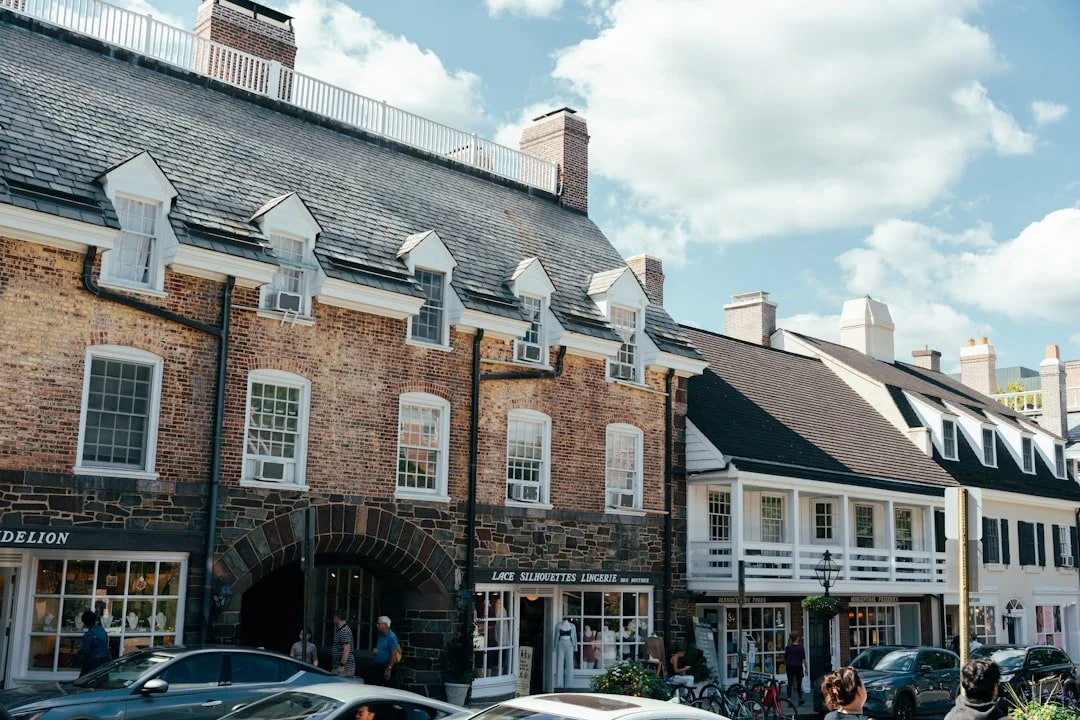
At the end of our first year in Princeton, Becky and I moved from the cottage into a garage apartment on an eighty-acre estate a few miles from the seminary. Mel and Marty found a second-floor apartment to rent in an old house the seminary owned a block from campus, with professors’ offices on the first floor. Since he was either in class or home studying while Marty went to work, it fell to him to be responsible for household chores, such as taking out the garbage. We were told that there were no garbage disposals in the sinks of New Jersey because the mafia controlled the trash and garbage collection industry and insisted on weekly curb-side pickups as part of their extensive criminal enterprise.
This arrangement was fine with Mel through autumn; he’d pack up a week’s worth of garbage every Monday morning and carry it to the parkway before the truck came. No problem. Until the late November Monday when snow was falling, the temperature was in the forties, and he wasn’t up for boots and a parka just to get the garbage to the curb. The building had a dirt floor basement where the furnace was, so Mel decided that, for this particular Monday, he’d leave the garbage there until the following week and hope for a warmer Monday. But winter had come and a warmer Monday didn’t, so through December, January, February, and into March, the basement collection grew in the chill air.
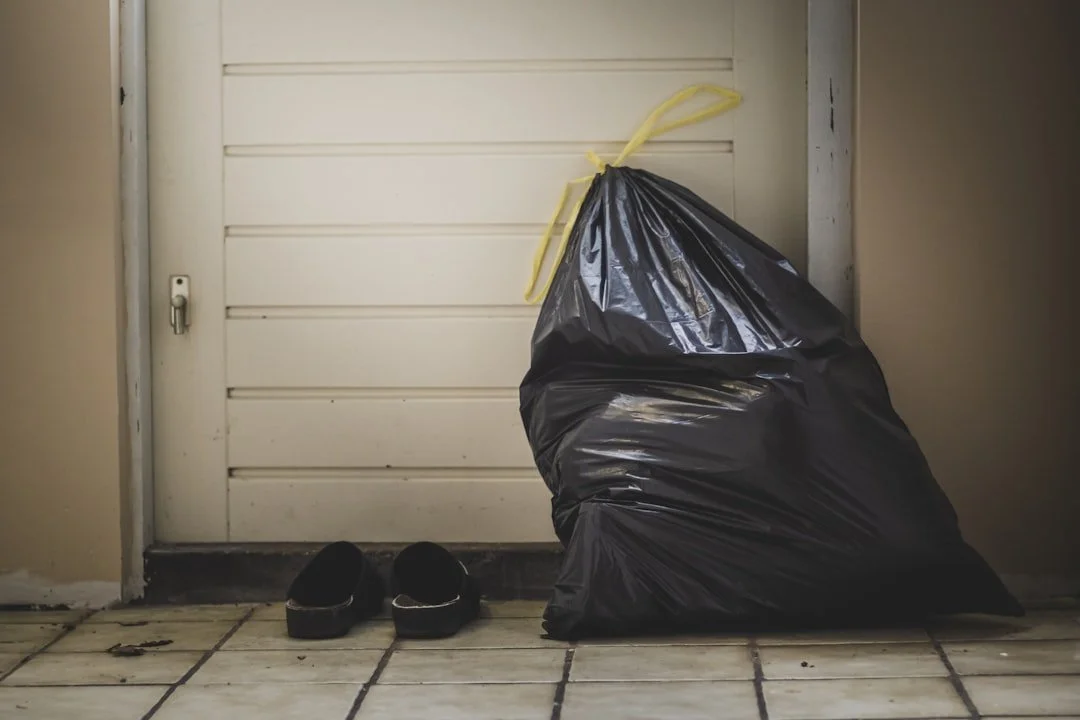
Ah, but Spring came, and with it a rising stench from the basement that invaded not only their second-floor apartment but the offices of Mel’s august teachers. Marty discovered, without much interrogation, the source of the problem; the following Sunday afternoon Mel spent over an hour hauling garbage from the basement to the edge of the curb. In the end, he left for the truck four months of garbage that covered the parkway from one end of the property to the other, from the sidewalk to the street.
We laughed at this story for fifty years, and of course it was funny, but it also always seemed to me to contain some essential truth about who Mel was. He spent decades coming to terms in therapy and sharing with me in private stuff he’d stored in his gut that needed to be up and out and onto the parkway. Yes, he was an athlete, went to the Naval Academy and made the football team. He hid from himself the reality that he barely played, wasn’t that good, but clung to the story as part of his fantasy view of himself.
He was a bodybuilder from high school through the rest of his life and accepted my admiration and that of so many of his friends about his muscular frame and fitness. What he acknowledged around the time he came to terms with his football fantasy is that he became a bodybuilder to compensate for what he thought was his inadequate height. On and on, in the later years of his life, he got to the garbage, owned it, and set it out on the parkway. I admired that.
Pay attention he would tell me, whenever we’d come to that place in our conversations where I hesitated to go further. Write from your gut he encouraged me when I began publishing these posts. Our conversations at lunch and over the phone in the last years of his life often included brief or sometimes longer mutual confessions of newly found stuff that neither of us wanted to store in the basement any longer. What began for him as a defense against the winter cold in Princeton became in our friendship a signature feature of our trust in one another and a means of deepening a love that I now find very difficult to let go of.

Becky and I lie in the darkness as she talks again about her friendship with Marty when, like both of them, we’d left California for New Jersey which, given our parochial upbringings, was like moving not just to another state but to another country. In my classes I could make friends out of strangers as we listened and questioned and watched each other struggle with letting go of much of what we’d believed, and shaping personal faith that could fit with the cultural and intellectual revolutions coming at us in the tumult we still call “the 60s.” Becky had none of this in her job with the Gallup polling organization. She catalogued numbers from recent polls and only found someone besides me to lean into when she and Marty were together. She recalls days with Marty, conversations about being newly married and how to maintain their own convictions when their husbands were whirling into some new galaxy of thought and belief.
Five years after graduation, Mel was an assistant pastor in Palos Verdes, a California beach town thirty miles from suburban San Marino where I too was an assistant pastor. They soon had two daughters while we had a daughter and two sons who became friends in frequent family visits. When I was promoted to senior pastor, he was part of my installation service. We shared special moments like when Marty, who had trained as a dancer, took us to see Judith Jamison dance with the Alvin Alley dancers at UCLA, and we spent part of a weekend in Solvang, a Danish-themed tourist town north of Los Angeles where Marty sold art pieces she’d created.
Mel left the ministry in the late 1970s and they moved to Seattle where he got a PhD and became a psychotherapist. We tried, but the distance soon became a decade or more of silence until we got the first blunt-force call: Marty was dying of a brain tumor. I had a long, loving final phone conversation with her then heard a week later that she’d died. I called Mel, and that once again became a routine.
Several years later, Mel quit his therapy practice, sold his home and used the money on a new home his son-in-law built on their property in Topanga Canyon. We were back together – lunches and phone calls – and on rare occasions Becky and I would visit him at home. Three summers ago, his kidneys began their long decline; he was often in treatment for dialysis and occasionally in the hospital for more serious tests. Each time, he’d call when he was home, and we’d jump start our connection.

He’d have Sonia, his caregiver, drive him to Pasadena so we could have lunch, which we did about once every two or three months. Last summer he moved into a retirement community an hour’s drive away, so we talked on the phone more often than we met for lunch. I drove to his facility in late fall, he introduced me to a table-full of his lunch pals who involved me in their conversation about theology and politics and left me relieved that Mel was in good and supportive company.
He didn’t answer his phone in December, so I called his daughter who told me his kidneys had failed again and he’d been in the hospital several times. She agreed to call me when he was back in his residence and available for a visit. Her January call was not to arrange for a visit but to hurl the blunt-force news: Mel died. News that hammered my heart and ended such an important friendship.
You know how this goes: a place in you that has been filled with a continuing love story is suddenly empty. The person I loved long and well is no more. Mel is now memories, never again a lunch-mate or a voice on the other end of a phone call. My heart hurts. I miss him. I want to figure out how to continue to love him.
It takes me weeks to dig my way out of the emptiness and to find the fragments of memory that will remain now that he’s gone. That’s all they are: fragments. Not at all like picking up the phone, hearing his baritone “It’s Mel,” and continuing the long conversation. I’m currently in that weird state of letting him go even as I create initial structures to the memories – the stories, really – that will now stand in for hearing his voice, hugging and kissing him, feeling his love that is now fading into a tepid stand-in for the warmth we shared for decades.