
I've been thinking about slowing down.
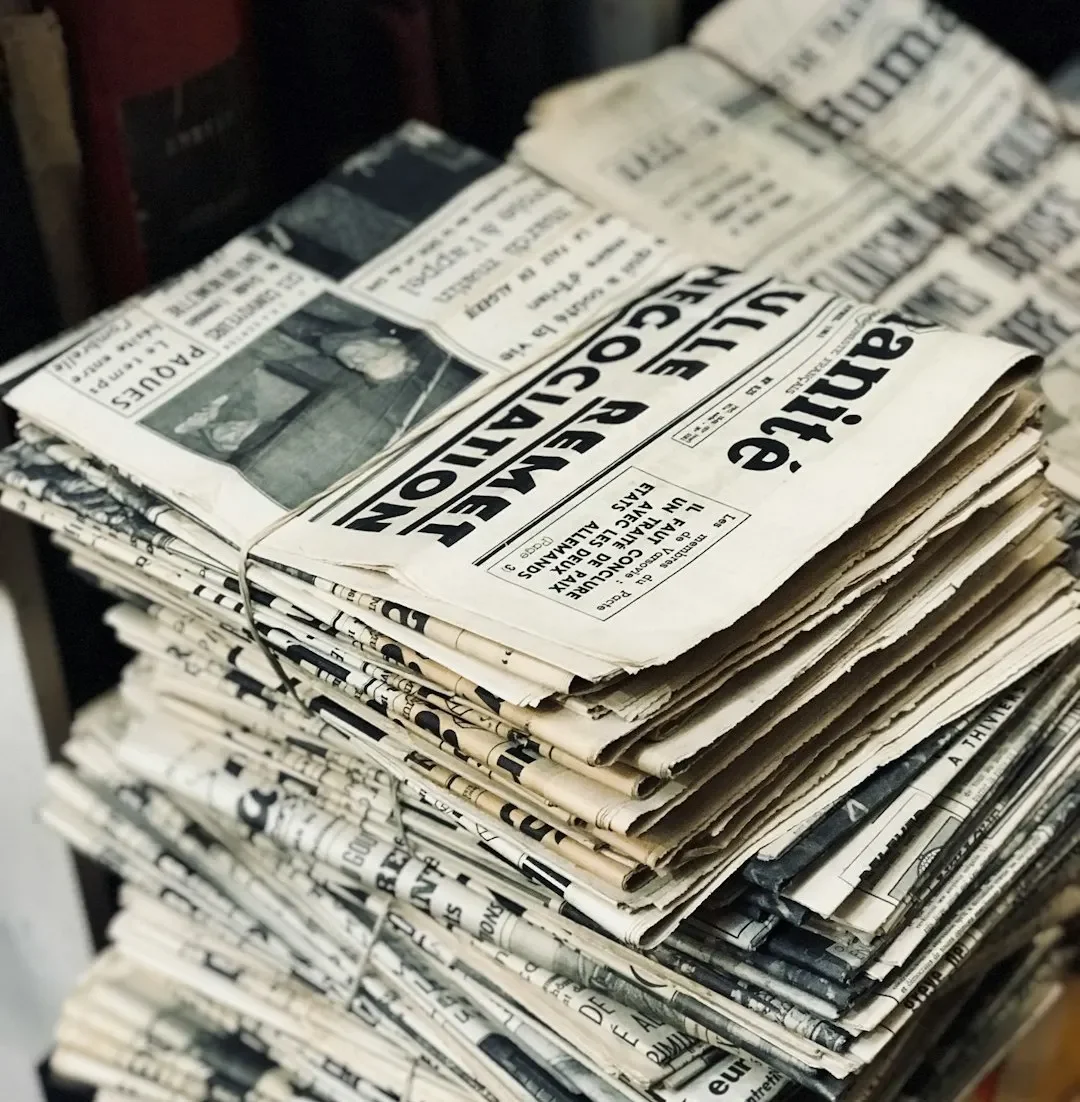
I was in my mid-thirties when my father died at sixty-nine. He had dropped out of Lowell, Massachusetts high school in the early 1920s, when he was seventeen, to enlist in the Navy, then left the service to work at odd job available to working class drop-outs. When the Great Depression hit, he couldn’t find work, so he hitchhiked to Hollywood where his brother owned a newsstand and had offered him a part-time job. He eventually bought the stand at Hollywood Boulevard and Whitley Avenue, sold newspapers and comic books, and secretly booked horse races for his street pals. He never made more than a subsistence living, and by his late sixties he was worn out. He finally died in 1975 when his kidneys failed him. At that time, I was healthy and married, had three children and a full career, and I somehow knew even then that my life was easier than his had been, and that I would likely outlive him by several years.
My mother died in the mid-1990s, when I was in my mid-fifties. She was eighty-four, had been vibrant until her early eighties, and from my perspective at the time had lived a long and full life. She raised five of us, worked between babies, and after my little sister was born wound up distributing educational films around the world for a small production company. She thrived in the last two decades of her life, surrounded by children and grandchildren, siblings, nieces and nephews who admired and adored her.
Eighty-four seemed to me then a pretty good age to reach before giving in to death’s inevitability. But by the time I reached eighty, somehow eighty-four seemed too soon. I was seeing thirty-five therapy clients a week, working out three or four times a week, teaching and writing and loving my life. Surely four more years was an inadequate timeline for exhausting this life I loved. Now I’m a few days past my eighty-fifth birthday and have lived longer than each of my parents.
The first person to confront me with my old age was our granddaughter, Iris. When she was a little girl, she and I had a deal that she could tease me for being a goofy grandfather. She got great pleasure out of roasting me, especially at Friday night family dinners, where her wit elicited loud laughter from three generations. She was five or six the first time it happened. We were bantering around dinner when she interrupted the conversation, looked down the table at me, and said with her impish grin, You’re old, and you don’t have any hair.
She’s now fourteen and delights me with hugs instead of zingers whenever we greet one another. We recently joined the entire family for her middle school graduation ceremony; Becky and I underestimated the size of the crowd and wound up parking about a third of a mile from the football stadium where the service was held. The short walk was agony. My back hurt more than usual, and both knees ached by the time I got to the metal bleachers, where I sat next to our twenty-year-old grandson.
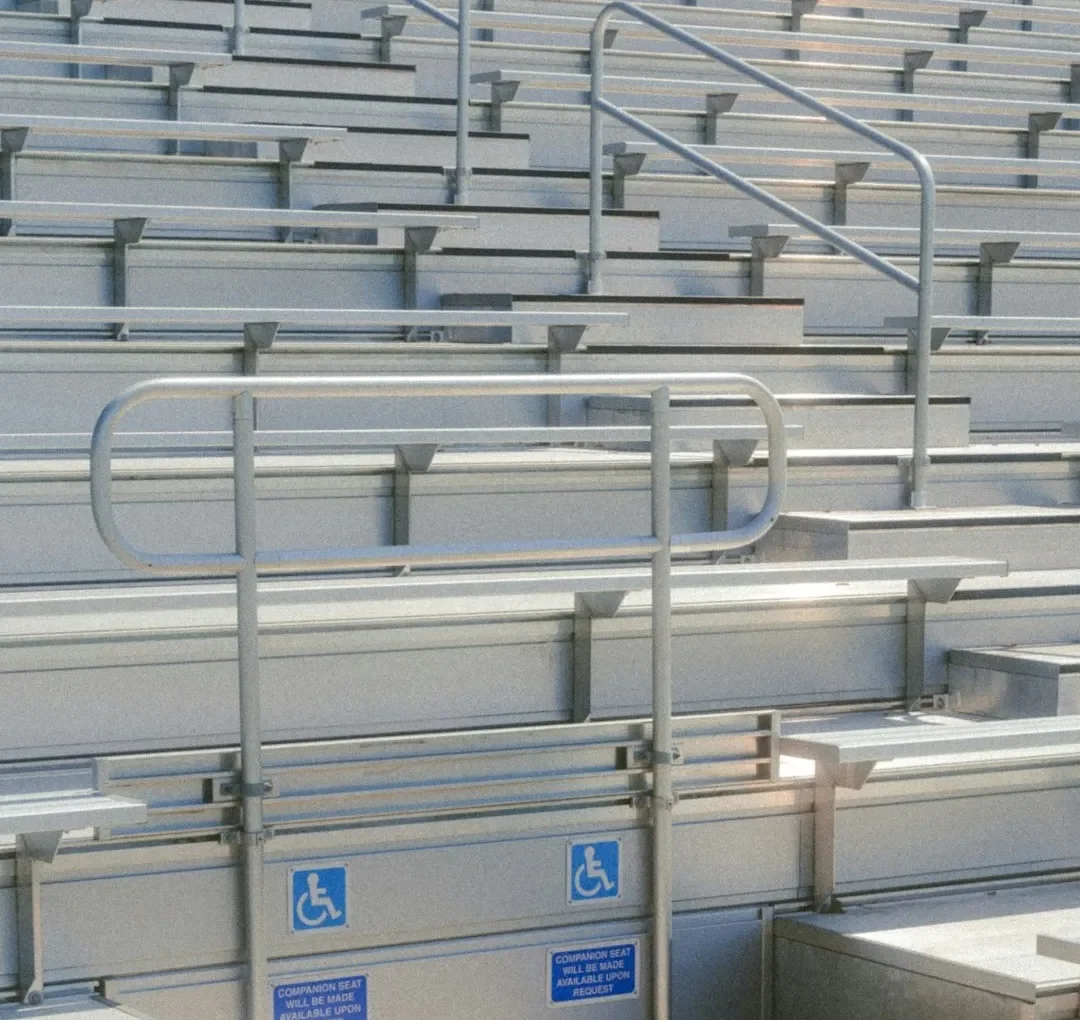
As we got up to leave, I put my hand on his shoulder to steady myself as I stepped down out of the bleachers. I stayed connected to him as he led me through the crowd of celebrating students and families all the way back to my car. I could feel my age as I relied on him for something so ordinary. It’s not just, as Iris had quipped, that I have no hair; it’s that in so many ways, my physical strength is diminished. In the past few years, I’ve slowed down significantly, and though I may admit to it, I don’t like it.
But slowing down in other ways over the past three or four years has been a splendid new reality.
Having been raised by parents who never had enough money, I was driven to provide for our family and (though it took me decades to admit this) to prove myself as a successful American man. For decades, I saw thirty-five or more therapy clients each week, taught smart adults who required my careful preparation every week in our church’s education program, played tennis once or twice a week, did weight and cardio training three times a week, and wrote two books in my seventies. It’s as if I’d swallowed the culture’s paradigm: redeem the time, be productive, and you will reap the financial benefits of this ruthless system. I got in line, saluted, and marched double-time to the beat of this cruel internal drum major.
Then something happened. I’m not sure what it was: I cannot recall a specific bit of insight, a transformative conversation with a friend, the wisdom of a great writer. But there it was, like the slow dawning of a spring morning: I have enough. I’ve succeeded. I don’t need to work this hard to prove anything to anyone else - not even to myself. So I started taking Mondays off; after a year or two, I gave up Fridays. Even with all this cutting back, I have enough: enough work to satisfy my desire to be helpful, enough money to contemplate eventually retiring completely, and plenty of time for myself.
My back and knees have made tennis and running impossible, so my weekly tennis partner and I substituted breakfast for three early-morning sets. I use Mondays and Fridays to have lunch with friends, often linger for two hours or more and, more regularly than in the past, order dessert. On many of my days without work, I just hang out at home, writing at a less frantic pace, reading, and – this is a revolution! – often taking a nap, something I don’t remember doing since I left the rest-time cot in my kindergarten classroom.
Just recently, I also recognized a difference - a slowing - in the way I read. I grew up in a family without books in the house. I was a decent reader in school, but it wasn’t until my third year of college that reading took on an urgency for me. I wanted to go to seminary, so I learned to read quickly, with intense focus, for fear I’d miss something and make a fool of God (and of myself, of course) in front of a class or congregation. Redeem the time, be a productive reader.
In July, our book group is meeting to discuss a recent historical novel, The Magician, the story of the German writer Thomas Mann. I read it quickly and loved it. With six weeks before we gathered to discuss it, I decided to read Mann’s novel, The Magic Mountain, for which he won the Nobel Prize in Literature in 1929.
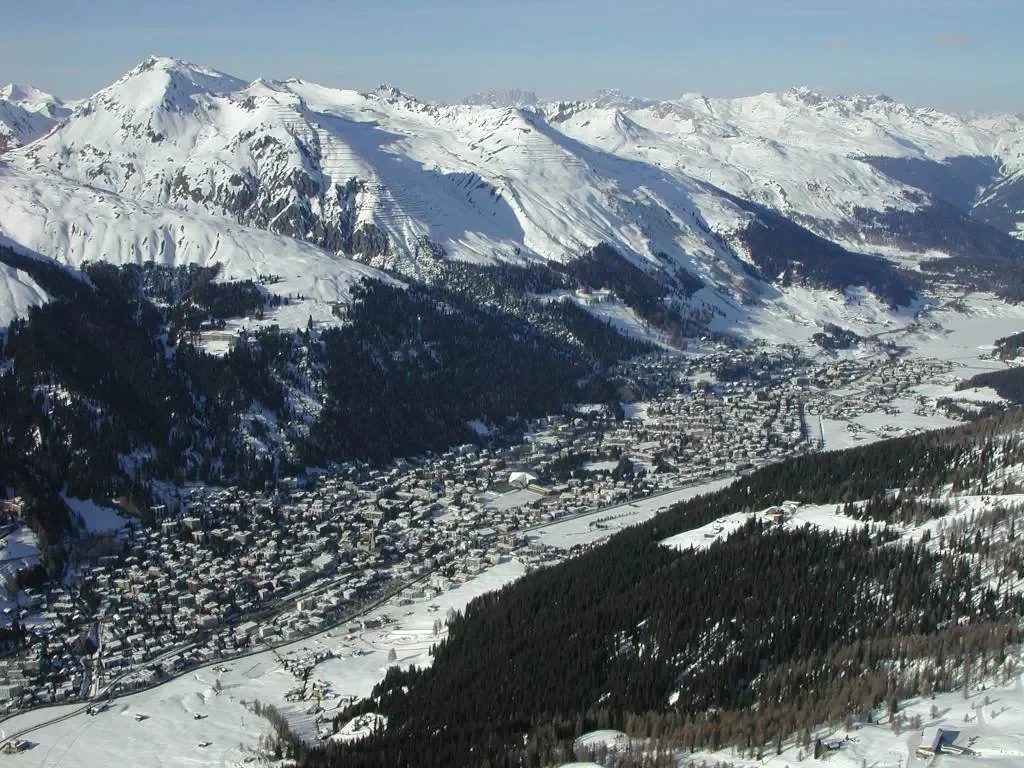
The novel is set at a sanatorium in Davos (above), in the Swiss Alps. Mann based it on a sanatorium he visited there in 1912, when his wife was treated for tuberculosis.
The paperback copy I bought is 706 pages of small print and I made a note on page one of the foreword: Note the long and complex first sentence! Throughout, single paragraphs sometimes go on for more than a page.
There is no plot, just a group of people living together in the Swiss Alps in a sanatorium for tuberculosis patients in the years just before World War Two. Hans, the twenty-four-year-old protagonist, arrives to spend three weeks visiting his cousin, and winds up staying as a patient for seven years.
Not much happens. He becomes part of this wounded community of characters who have lengthy conversations about life and death, sickness and health, the possibility of loving someone, the meaning of suffering, the relative values of the mind and the heart.
Chapter after chapter passes where I have to read slowly, almost meditatively, to let myself sink into the story and the characters and the ideas and the unanswerable questions. The stack next to my bed can wait. This story deserves and requires it, so I’m taking my time now, as a reader, for the first time I can remember.
It only took me eighty-five years to slow down because my body demanded it and to find the joy in an easier pace I would have found inconceivable, until it happened.
This is my final post of the season. I’ll be back in September for the whirlwind of elections and public conflicts and mostly my personal thoughts, feelings, and convictions about each issue. I wish for you what I want for myself in this interim: good health, more time for leisure and sensual pleasures, long moments of affection and fun with our beloveds, and a sense of empowerment that allows us to take on whatever lies ahead. Thanks again for sharing with me in these I’VE BEEN THINKING adventures. It means a great deal to me.