Later this fall, I’ll be moving for the last time in my life.
We’re leaving a townhouse we’ve lived in for 27 years, the longest either of us have lived in a single place. Whatever small events live in our memories of this space, two large events inhabit its walls and furniture. In January 2000, six months after we moved in, our younger son died while serving in the Peace Corps in Guinea, a West African country that was the sixth poorest country in the world while he was there. A cluster of photos of him has lived on a desk in our entry hall since that terrible week, and his unique personality and our unerasable sadness are the air we breathe every day.
Five years after his death our first grandchild was born, a boy whom our daughter and her husband named Jesse, after the sweet boy we’d lost. Two years later his brother Joe was born, and four years after he came along our son and Diana brough Iris into our world. In the years they’ve been with us, we’ve had Friday night family dinners around a large dining room table and created and recreated our family year by year. This table and the niche in our church’s columbarium where we placed Jesse’s ashes twenty-six years ago are the two most sacred spaces in my world.
We’re moving from 1,800 square feet and two stories to 1,350 square feet on one floor. I’m looking forward to no stairs to climb. Age has taken its toll on my lower back, so I won’t miss having to use the stair rail to pull myself up the fifteen steps I’ve climbed too many thousands of times.
But moving forces me to make choices about what I value and what I can leave behind or give away or mourn.
Some of the decisions were easy. In their fifties, our kids already have their own furniture and years ago scavenged what they wanted of ours that they grew up with. What won’t fit in our new place is going to the local hospital collection for them to sell. A family friend took the piano Becky’s parents bought for her to practice on as a little girl and our gardener took the large outdoor barbecue.

It’s embarrassing to admit that we have collected over a thousand CDs though we no longer have a CD player, and easily 500 books. Who could resist a collection of over twenty Charles Dickens novels handed down from Becky’s father? It turns out everyone in our family could quite easily resist taking those or anything else from our shelves.
The more serious problem is wall space. In the years we’ve lived here, we’ve covered two stories worth of walls with both fine art that we’ve purchased and personal photos and portraits of our kids and grandkids. To our surprise, our kids want very little of this art. Our daughter wants a photo of her as a two-year-old sitting on my father’s lap and a series of large canvasses, all backed in bright red and boldly impressionistic, that might decorate the hallway of a pediatric ward where she works. But not much else. As we sifted through hundreds of photos of their growing up, we saved several for each of them that we loved and thought – hoped – they might.
They threw them in the trash. Ouch!
I threw myself a three-day celebration for my seventieth birthday and got my photographer friend to take photos of family and best friends. As a gift, the photographer made me a rock- poster sized checkerboard collection of individual photos of everyone who attended, and it’s hung over my desk for fifteen years. I have no space for it in our new place. What shall I do with it? I cannot bring myself to throw it away and of course no one else wants it. Will it fit in the office I have for my therapy practice? I’ll decide later, but it stays.
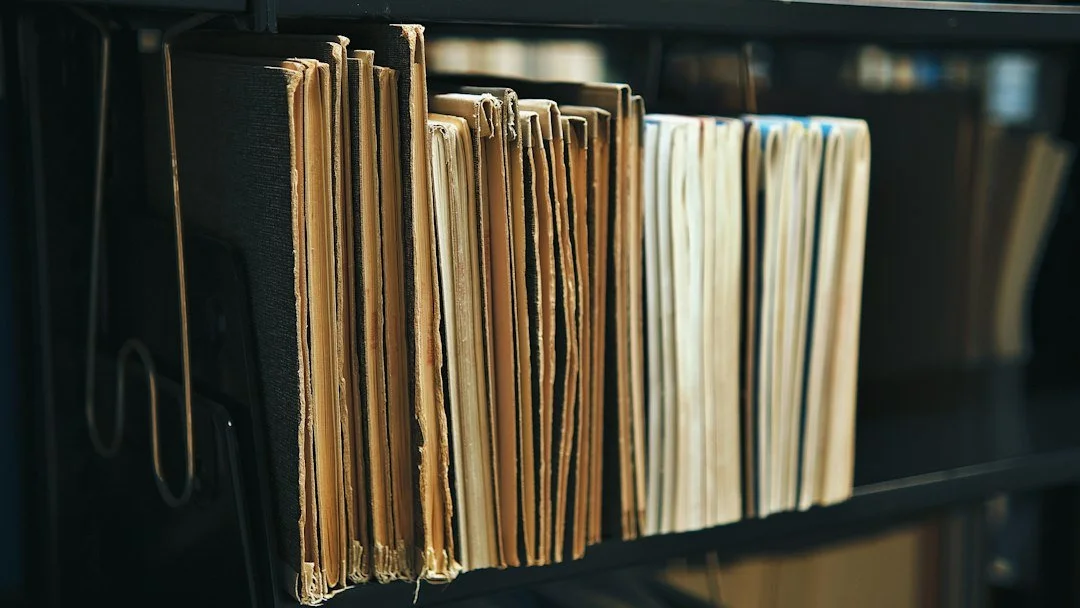
Then there is my own personal nightmare. Since I left full-time Christian ministry forty-seven years ago, I’ve carried from place to place notes from my seminary classes, housed in two three- foot long file boxes full of my printed sermons from the 60s through the 90s, and a cardboard box filled with Day-Timer calendars from every year since my ordination. I’ve had vague thoughts over the years of re-reading the notes and sermons when I retire but never have. Why do these files, and especially the sermons, matter to me? Part of me harbors a faint narcissistic notion that after I die someone will discover them, make a timeline of my life using the calendars, and write the definitive biography of me.
But more importantly, these files and papers and sermons are not something someone else created, like the furniture and CDs and collected works of Charles Dickens. The contents of these boxes are, in many ways, me: the exams from college on which I excelled and felt for the first time that I was smart; the few papers from seminary that still remain the foundation of my faith that has evolved in the six decades since I wrote them; and the sermons that track the middle years of my life as I tried to articulate who I am and what I believe in the context of personal and congregational experiences that challenged my every day.
So I must tell Becky that I’ve changed my mind. With the exception of the Day Timer calendars, this cannot go in the dumpster with so much of our other accumulated stuff. I don’t know where I’ll store it, but I’ll find a place for it and give myself permission to get to it whenever I get to it (or indeed, to never get to it but keep it anyway). I’m just not ready to give away this much of what I’ve created and what created me.
Of course, homes contain far more than things; they house relationships and I am grateful that much of what we take from our current home are our twenty-seven-year experiences with people we love, who love us. With our kids and grandkids, it’s birthdays and early Christmas mornings, playtime in the pool and jacuzzi in our complex when they were learning how to swim, (I cherish a photo of Iris at two or three riding on my back in the water like a small sea creature on a white-haired whale’s dripping back), and books and movies and made-up bedtime stories when they spent weekends with us.
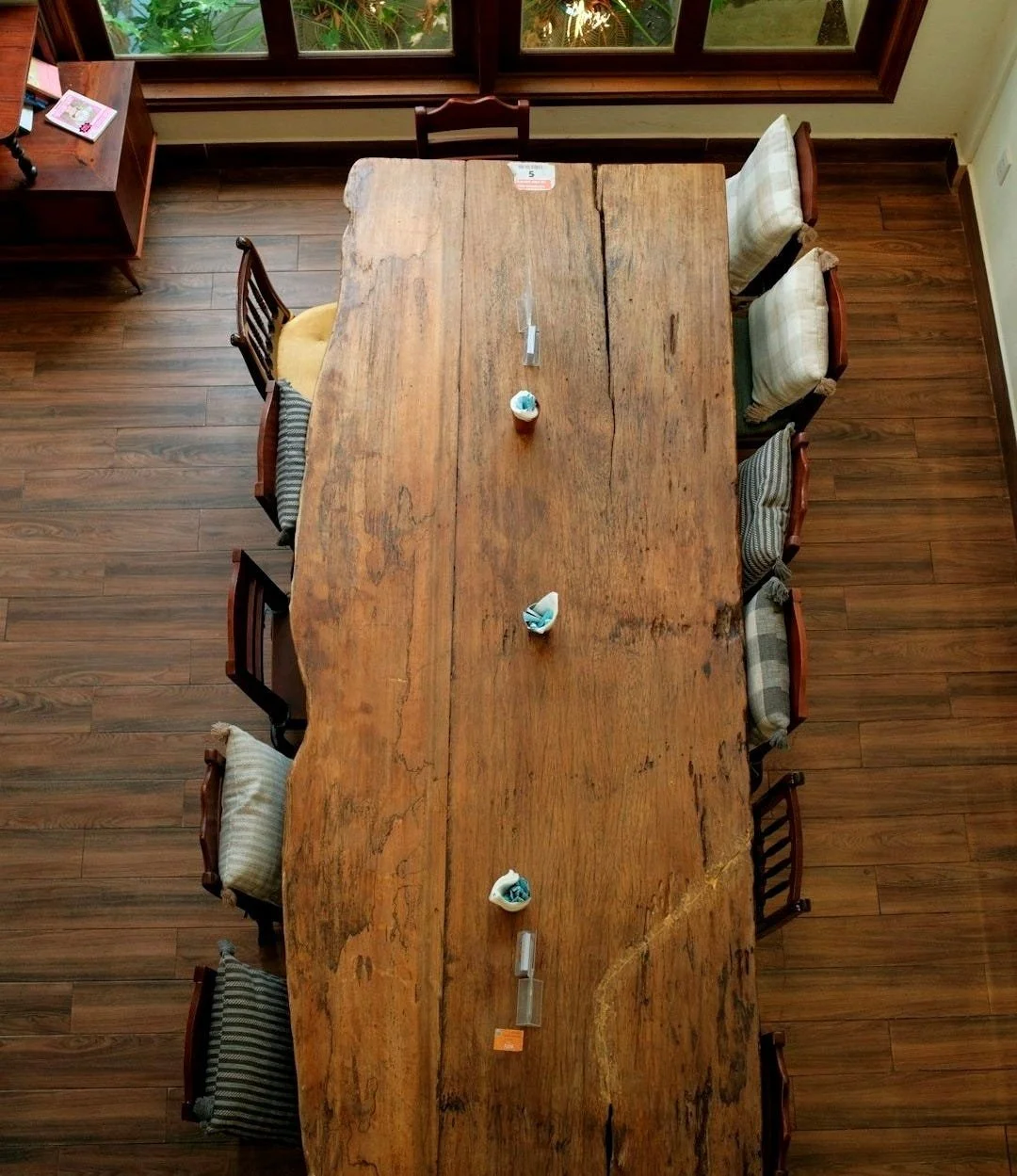
The same table that serves our Friday night family gatherings has hosted hundreds of dinners – a group of thirteen of us who rotated hosting every two or three months for years, our turn when our book group gathered half a dozen times a year, secret meals on the patio with one couple and then one friend when Covid told us to stay away from one another, and occasionally a special friend just dropping in for a glass of wine and ninety minutes of catching up. The table isn’t coming, but absolutely none of the memories gets left behind; we carry them with us.
When construction began, we selected a ground-floor corner apartment that looks out on a twenty-yard swath of lawn to the next building. Our very close friends chose the ground-floor unit just across the grass. Other friends we’ve known forever (he and Becky were in the child-care Sunday school class in the church we grew up in, and I conducted their wedding over fifty years ago) chose a third-story site in the same building we’re in. We are bringing our Beloved community into this new and late stage of our lives.
It’s impossible to think about this twelfth and final move without being constantly aware of the final part. Possibilities of our own decline are inescapable. But rather than feeling depressed or frightened, I’ve harbored a particular gratitude. Since it’s statistically likely I’ll predecease her, I take great comfort in knowing that Becky will be surrounded by people who love her and will care for her then as they care for both of us now. We have two close friends who are residents of the Memory Care facility in our complex while their husbands occupy the apartments they moved into together not that long ago. Our community of Beloveds will walk us through whatever of these stages become our own and stay with us until they carry us across the finish line.
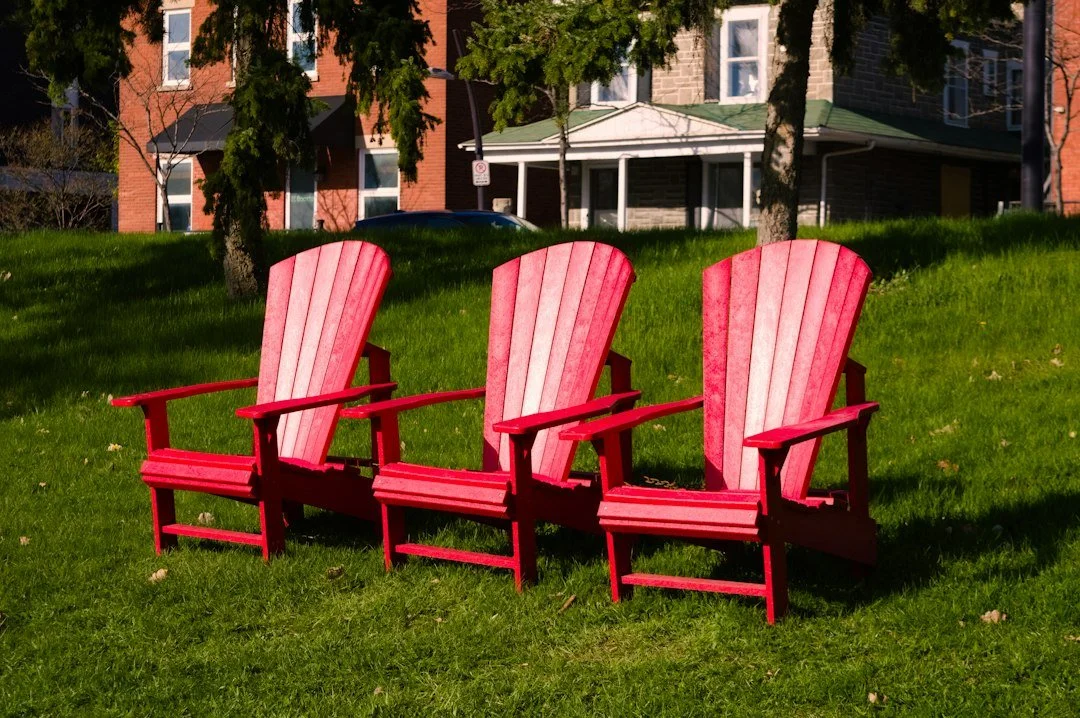
We’re figuring out what to do with all our stuff: what to take with us, what to throw away, what’s easy to discard and what’s heartbreaking to let go of. By the first of the year, we will have those choices behind us and be able to live, unburdened, in our fresh future. Our dear friends just across the lawn are already mapping out the logistics for a circle of chairs on the grass and a bottle of wine on late afternoons.